Description
Morphine serves as a cornerstone in the management of moderate to severe pain, whether acute or chronic, with particular utility in palliative care, oncology settings, and vaso-occlusive crises associated with sickle cell disease. This activity provides healthcare professionals with essential knowledge regarding the FDA-approved indications for morphine and a thorough review of the drug’s mechanism of action, pharmacokinetics, and key contraindications. Information on administration techniques, potential drug interactions, and adverse effects, including those highlighted in FDA-issued warnings, supports informed clinical decision-making.
A clear understanding of morphine’s pharmacological properties allows clinicians to tailor treatment strategies that align with individual patient needs while minimizing the risk of adverse outcomes. This activity highlights evidence-based practices for managing pain safely and effectively using morphine across diverse care settings. Special attention is given to the role of the interprofessional healthcare team in monitoring therapy, adjusting dosing, and ensuring optimal patient safety.
Objectives:
-
Evaluate the mechanism of action of morphine.
-
Identify the FDA-approved indications and off-label uses for morphine.
-
Assess the contraindications and adverse events associated with morphine administration.
-
Implement effective collaboration and communication among interprofessional team members to improve the outcomes and treatment efficacy of morphine therapy for patients who might benefit from it.

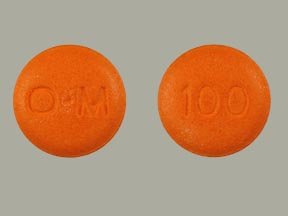 Tapentadol 1 × £320.02
 Adderall 1 × £220.00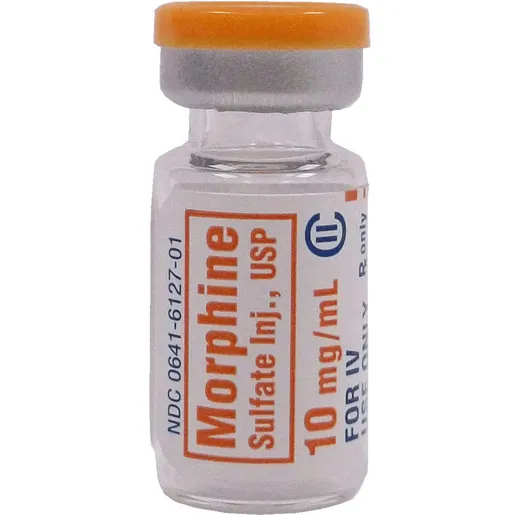



Reviews
There are no reviews yet.